Cases
These selected projects illustrate how I investigate what is changing in people’s lives, markets, and organizations, translating that evidence into strategic direction. The cases span exploratory research, foresight, product and service innovation, and organizational transformation across mobility, healthcare, technology, and the public sector.
Defining New Meanings of Sports Car Performance
Challenge
A US automotive manufacturer wanted to understand what performance meant to the next generation of sports car drivers, and how a future muscle car could deliver a differentiated experience without losing the brand’s iconic identity.
Approach
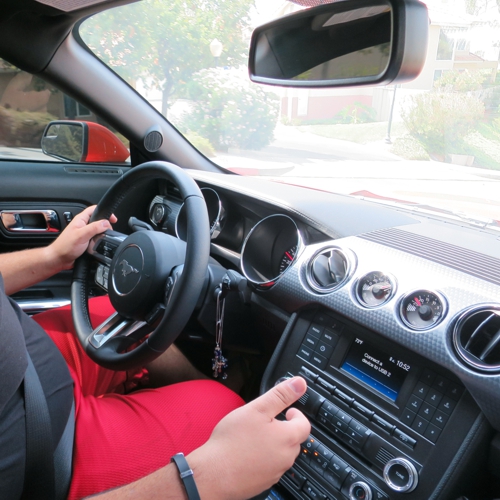
I conducted ethnographic in-home visits, ride-alongs, and co-creation sessions with sports car owners in New York and Los Angeles. Combined with foresight scanning, the research challenged existing assumptions and revealed new behaviors, rituals, and expectations, especially toward green EV performance.
Outcome
Based on the customer insights, I identified experience themes and whitespace opportunities that shaped future user requirements, feature concepts, and development priorities for the next generation of sports cars, including an emerging electric vehicle proposition.
Imagining the Eye Medication Application Device of the Future
Challenge
A global pharmaceutical company wanted to understand what patients and eye care professionals needed from a future eye-medication delivery system across glaucoma, dry eye, and presbyopia, while accounting for different abilities, treatment routines, and contexts of care across seven international markets.
Approach
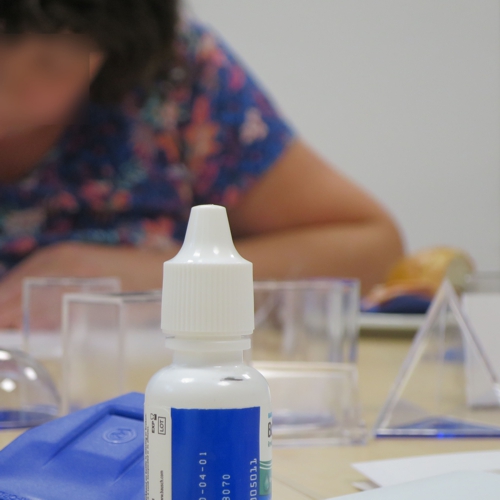
I led the global research and synthesis, drawing on in-home and in-office immersions, interviews with patients and eye care professionals, and patient co-creation labs. The work uncovered shared and condition-specific challenges around targeting, dosing, hygiene, portability, stigma, and the mental burden of managing treatment.
Outcome
The research produced human-centred insights and seven evidence-based design principles covering accessibility, safety, accurate delivery, portability, patient agency, functional aesthetics, and networks of care. These gave the client and its device-engineering partner a strategic brief and practical guardrails for concept development and prototyping.
Mapping the Digital Transformation Experience of Enterprise Customers
Challenge
A US technology company wanted to understand how enterprise practitioners experience digital transformation and data management in practice, and where their products and services could better support that journey.
Approach
I conducted an organizational ethnography, doing one-to-one interviews and context labs with enterprise customers across the US, Canada, the UK, and Europe. Discourse analysis and journey mapping revealed the language, routines, pain points, shifting roles of data, and organizational challenges shaping digital transformation, with the findings subsequently validated through quantitative research.
Outcome
The work produced enterprise customer insights, journey maps, and tactical and strategic opportunity areas. These helped product leaders identify where customer needs, human practices, and technology intersected, and translate the findings into recommendations for more customer-centred product, feature, and service innovation.
Piloting a Discovery-led Product Innovation Process
Challenge
A social media software company wanted to make longer-term product decisions less dependent on assumptions and fragmented internal knowledge.
Approach
I combined internal discovery work, ethnographic research with prospective customers, journey mapping, and strategic foresight to identify emerging behaviors, market shifts, and future opportunity areas.
Outcome
The project created a shared view of future customers through insights, customer journeys, clearer innovation priorities, and practical principles for connecting upstream discovery with product development and decision-making.
Enabling Human Insights to Drive Effective Change Management
Challenge
Senior leaders at the UK Cabinet Office wanted to strengthen long-term cultural change across the Civil Service, making internal transformation more relevant, empowering, and meaningful for the people expected to adopt it.
Approach
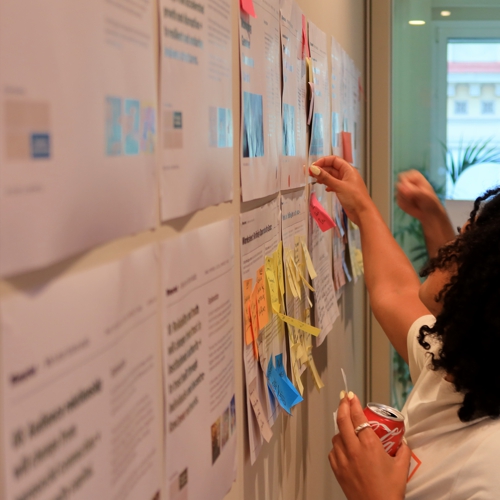
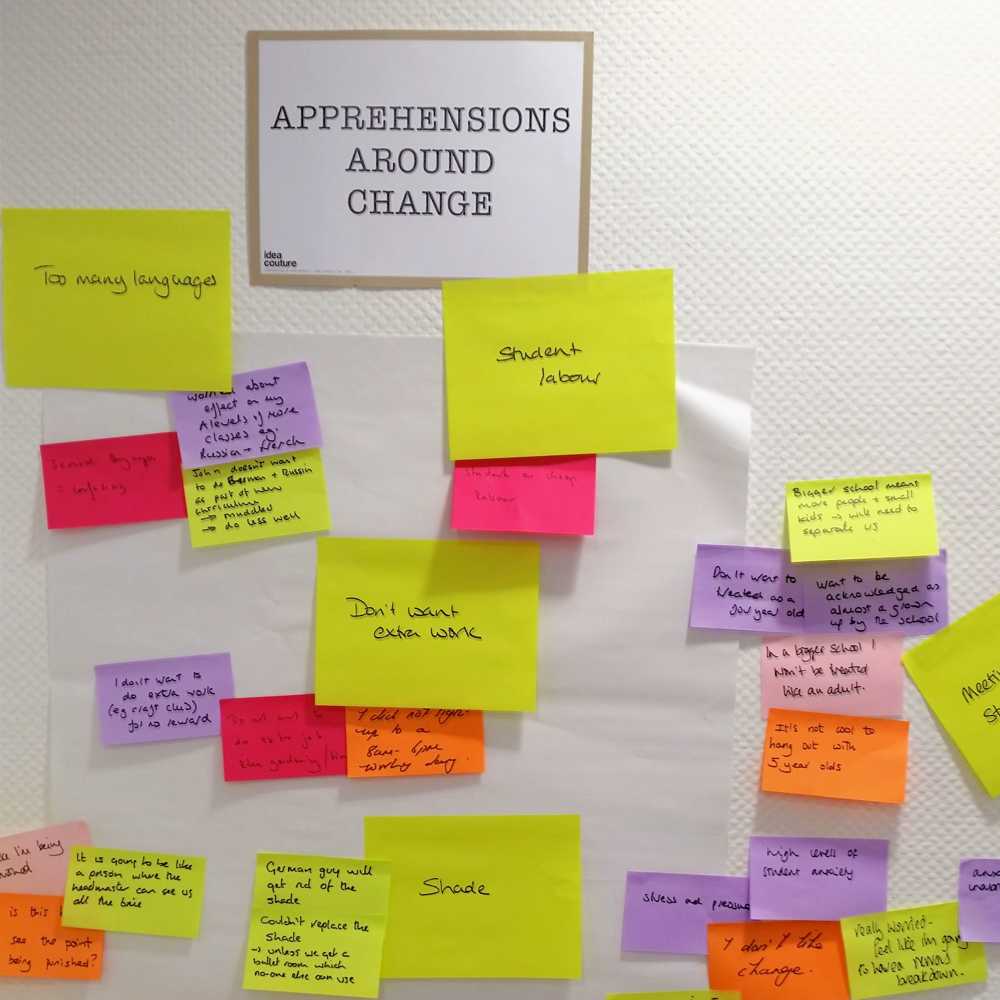
I designed a full-day experiential workshop that introduced senior civil servants to anthropological and ethnographic methods. By investigating stakeholder perspectives, organizational realities, and cultural dynamics, participants learned how to ground change initiatives in evidence rather than managerial assumptions.
Outcome
The team co-created practical levers and an evidence-based framework for cultural change. This gave senior leaders a more scalable, people-centred approach designed to deliver transformation with employees rather than to them.
Transforming Information Management for a Rail Infrastructure Provider
Challenge
A major rail infrastructure organization in the UK wanted to modernize how employees locate, access, trust, and use information, while reducing the organizational risks surrounding a new information asset register.
Approach
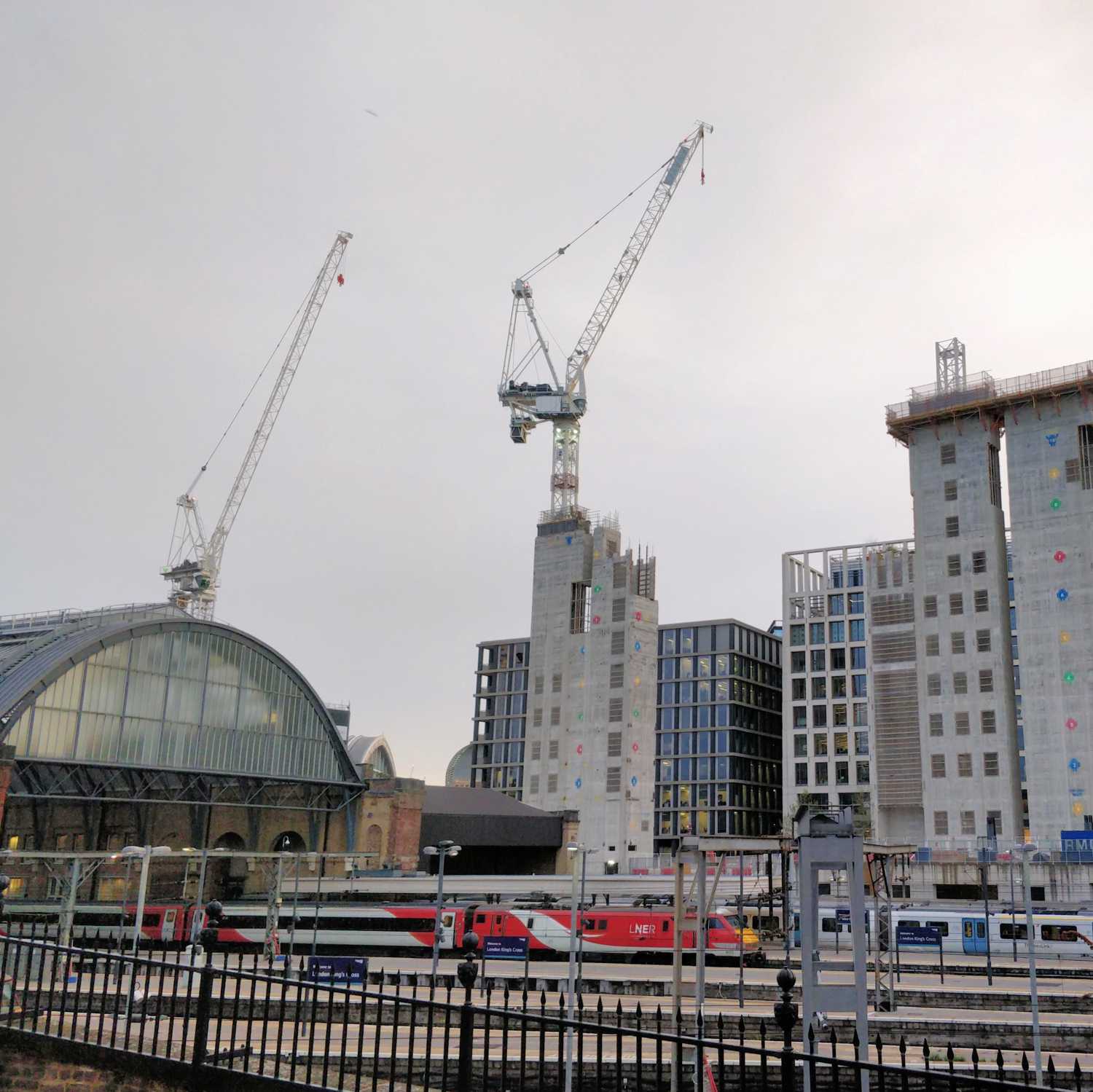
I conducted organizational ethnography with stakeholder interviews and participant observation across different business functions, mapping everyday information journeys, workarounds, access barriers, and sources of data distrust. The findings were translated into human-centred insights, user journeys, and change design principles.
Outcome
The project established insights, information management best practices, and practical guidance for designing and implementing the future system, not merely as an IT platform, but as a broader organizational change initiative addressing data quality, stewardship, access, accountability, and cross-functional collaboration.
Mapping the Virtual Healthcare Patient Experience
Challenge
A global pharmaceutical company wanted to understand what drives sustained patient engagement, and where virtual healthcare could better support people living with chronic and acute cardiovascular conditions.
Approach
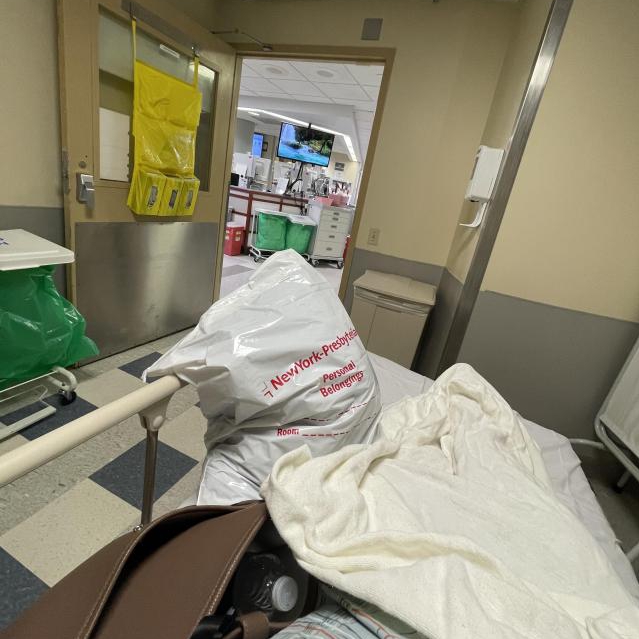
I led a multi-market ethnographic study combining stakeholder interviews, research review, online diaries, and in-depth virtual interviews with patients and caregivers across Europe, North America, and Asia. The work explored how health beliefs, daily routines, social relationships, and changing states of mind shape self-care.
Outcome
The project produced patient and caregiver insights, a patient experience map, behavioral drivers of engagement, and strategic opportunity areas for future virtual-health solutions. These helped the client move beyond conventional adherence models toward more contextual, human-centred support for patients at different stages of their self-care journey.
Crafting Office Design Principles for Post-Merger Headquarters
Challenge
A global biotech company wanted its new headquarters to help unite two merging organizations while creating a workplace that could support collaboration, creativity, patient centricity, and new ways of working.
Approach
I led organizational immersions, leadership interviews, and cross-functional co-creation sessions across both legacy companies. I examined how employees’ working practices, social dynamics, and physical environments enabled or constrained innovation.
Outcome
The project produced five evidence-based office design principles, supported by architectural recommendations and cultural guidance. These gave the client and its architects a human-centred framework for designing the headquarters and managing the broader post-merger transition.
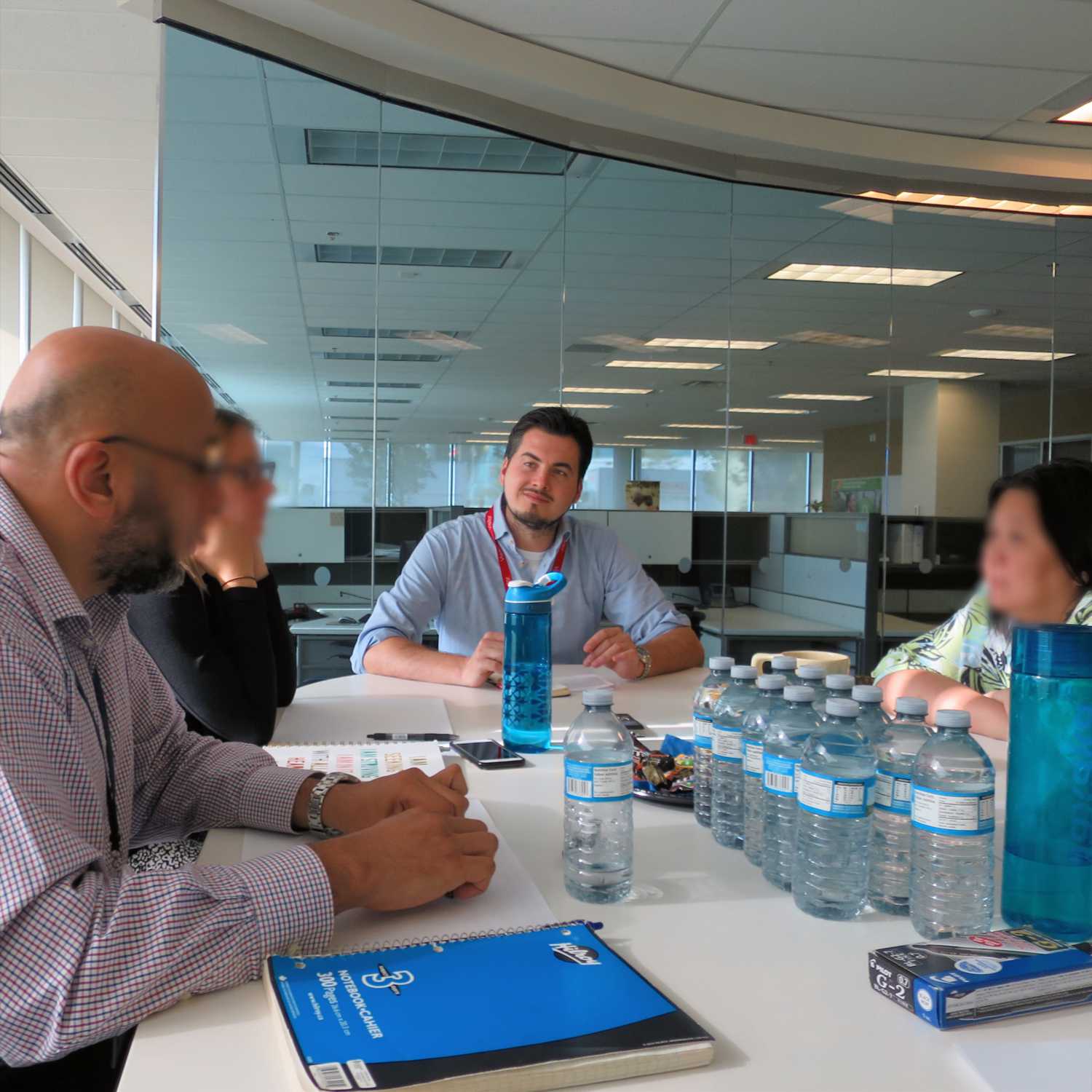
Ideating Experience Opportunities for a Future Family EV
Challenge
A global automotive manufacturer wanted to redefine a family-oriented vehicle as an EV that fits the everyday realities, expectations, and priorities of future buyers.
Approach
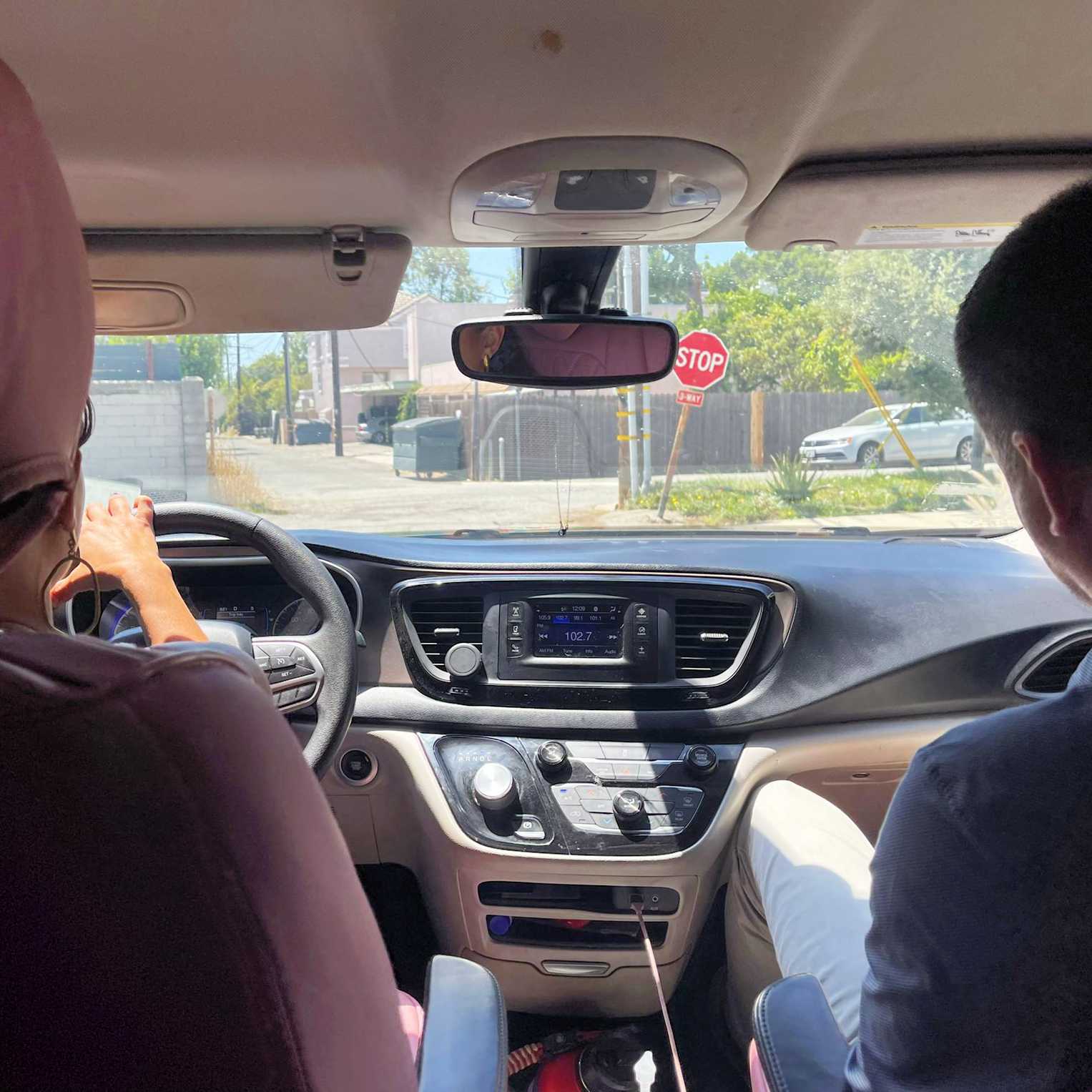
I conducted ethnographic home visits, ride-alongs, and co-creation sessions with families in the US, exploring their routines, vehicle journeys, practical challenges, and emotional expectations toward a family hauler.
Outcome
The research produced human-centered insights, target-customer profiles, journey maps, and experience opportunities that informed feature, service, and design recommendations for a next-generation family EV.
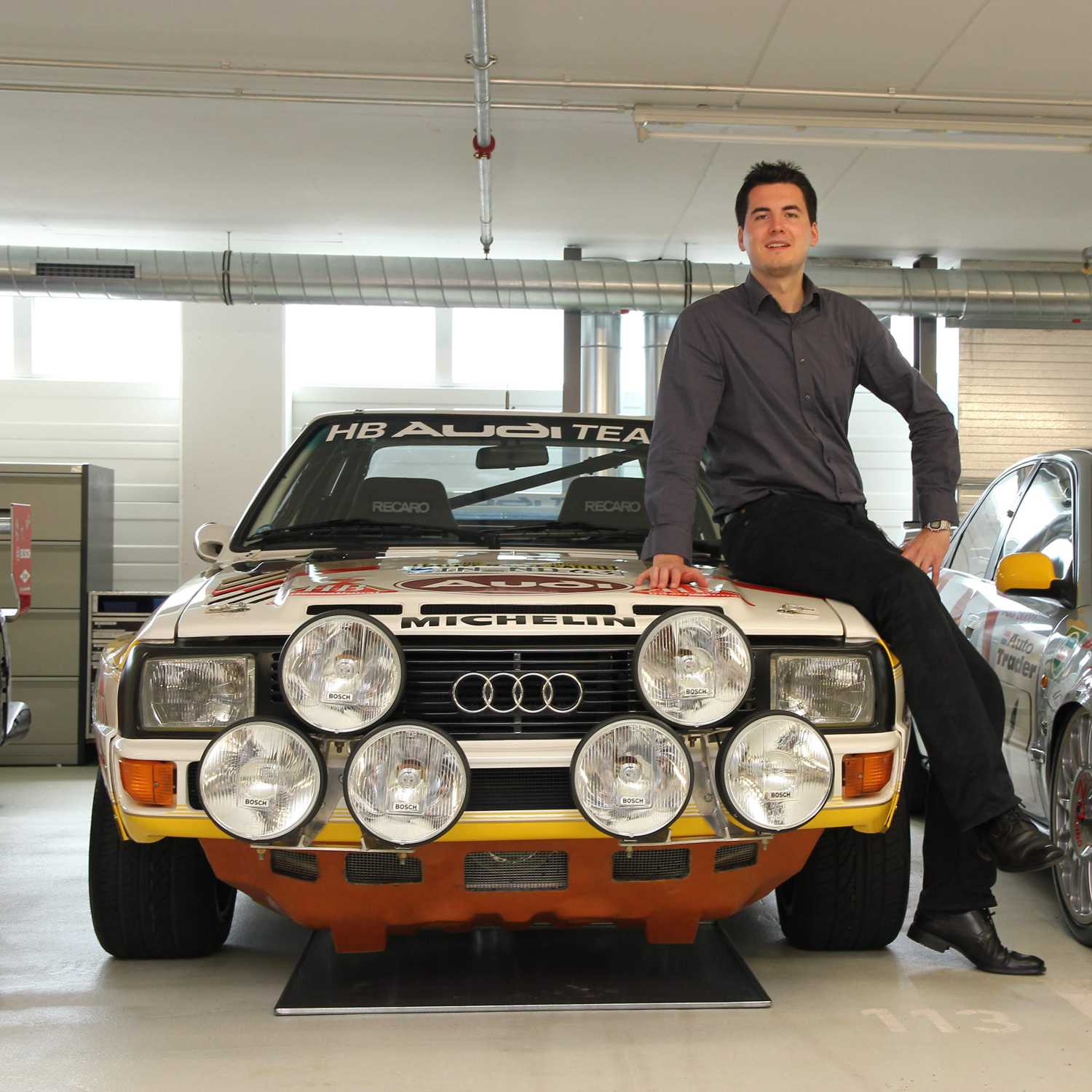
Decoding the Value of History and Tradition in a Future-driven Company
Challenge
German automotive company AUDI AG wanted to understand the true value of their history and tradition not just for the brand and business, but also for the identity of their workforce and sensemaking within the organization.
Approach
I conducted a full-scale, one-year organizational ethnography of the people at AUDI AG’s headquarters in Ingolstadt as part of my PhD. Collaborating with the company’s own history department Audi Tradition, I observed the workforce and their “tradition work” in practice, conducted a large sample of interviews and group discussions with internal and external stakeholders, did a discourse analysis of how corporate history is constructed in light of present business concerns, and mapped an organizational culture of remembrance.
Outcome
In addition to publishing my dissertation “Organizational Cultures of Remembrance” that outlines the value of history and tradition for an innovation-seeking automotive company, the research produced a comprehensive set of strategic recommendation for Audi Tradition, which helped expand the department’s position and budget further within the organization.